Most of my stories and books were begun before writing software even existed and certainly before it became ubiquitous. I don’t know how long programs like Grammarly and Scrivener have been around, because until recently it never occurred to me that I would ever want to use them. But in the past couple of years I became aware that almost everyone in the independent publishing world now regards writing software as part of their professional toolkit. Online forums, blogs, and writers’ groups take it for granted that everyone uses some program or other. Now suddenly AI has arrived and may soon make existing software programs irrelevant because “it” will write the books using algorithms, based on everything that has been published so far.
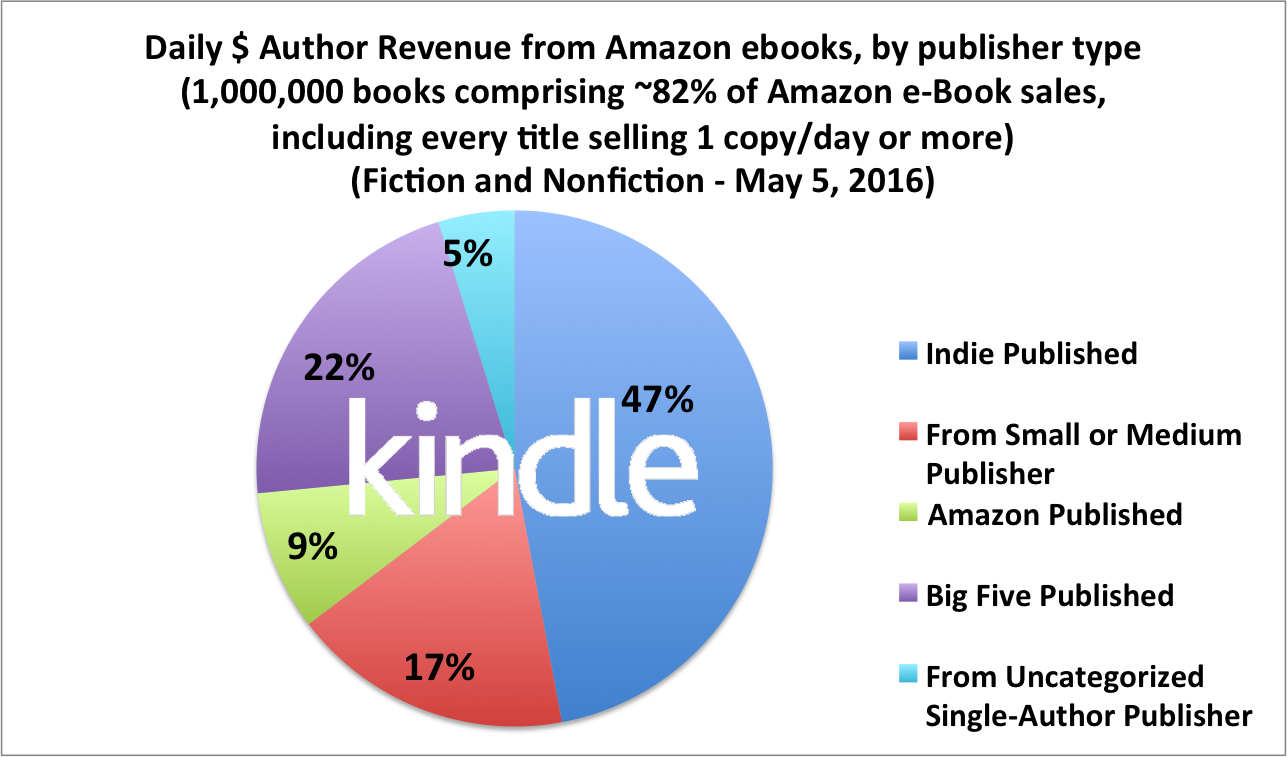
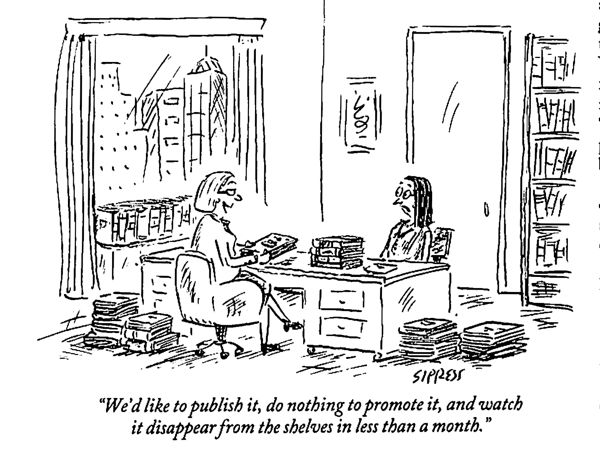
Before AI was on the horizon I couldn’t help wondering if writing software would help me produce my many belated volumes more efficiently. I downloaded a couple of test programs and couldn’t believe how they worked and what was going on. Here was a new field of cultural commerce aimed at a the thousands of people who now want to be writers – ironically at a moment when reading is becoming a less and less popular activity. Self-publishing in the Amazon environment has resulted in literally millions of books now being available all competing for pitifully small returns to the authors who, unbelievably, often set zero price for their works. Writers even complain that Amazon won’t let them offer works “permafree” as if giving your books away is a good strategy for an effective writing career – but that’s another issue.
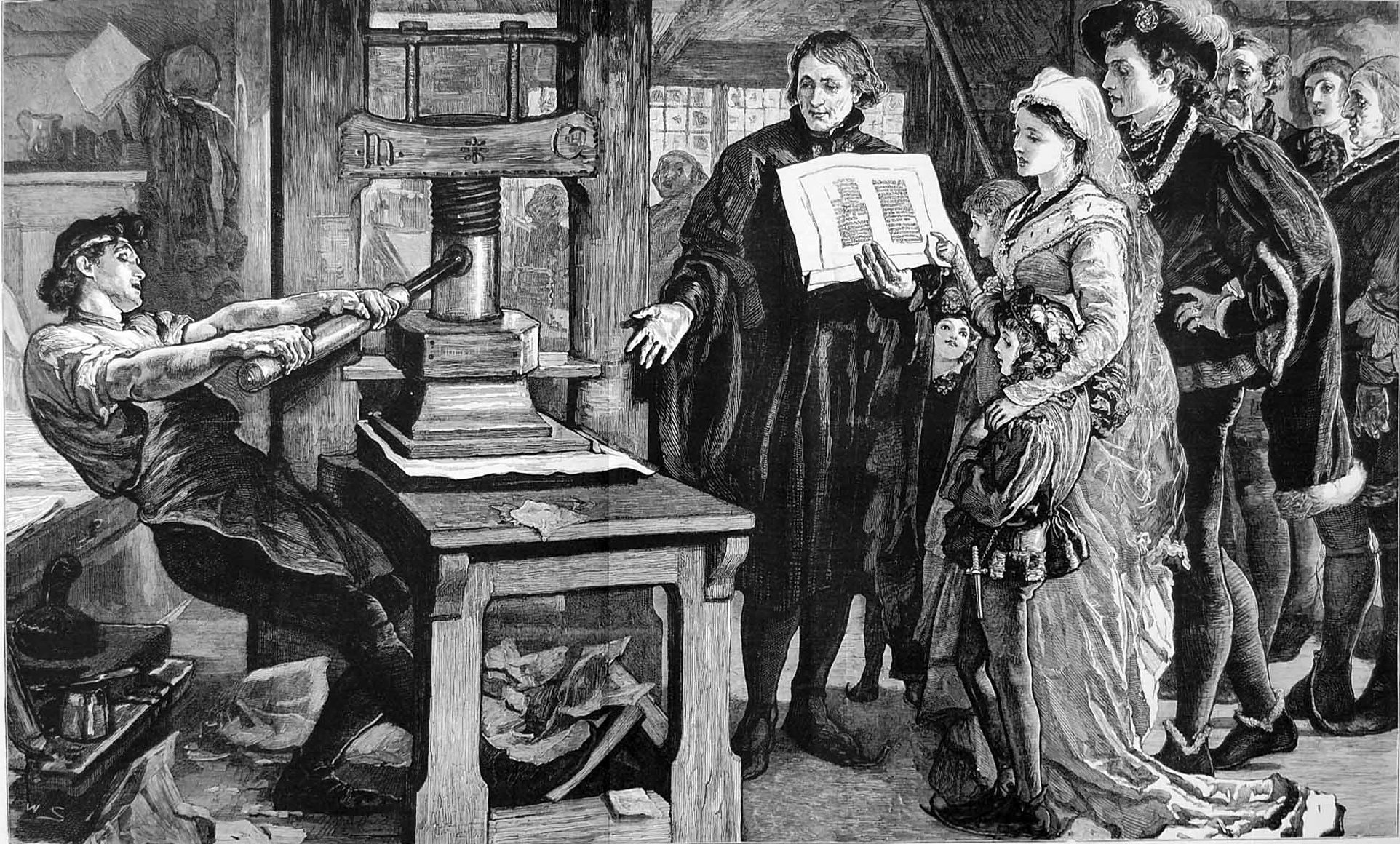
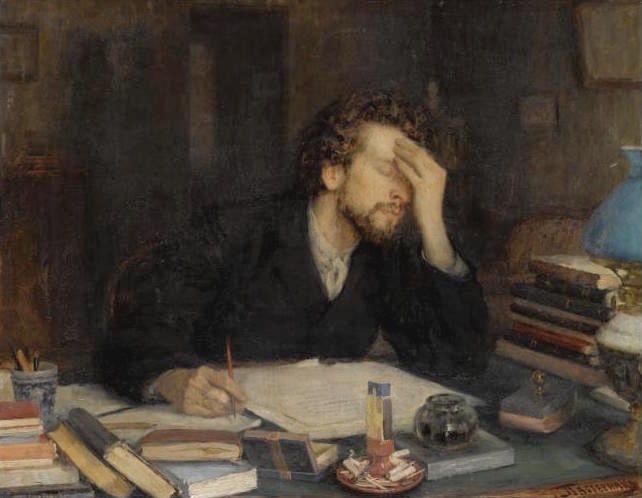
What is an author? I grew up thinking an author wrote their own books. The authors I was brought up on – Thomas Hardy, Joseph Conrad, D.H. Lawrence, Marcel Proust, Franz Kafka, Virginia Woolfe, Ernest Hemingway, John Steinbeck, E.M. Forster, Aldous Huxley, F. Scott Fitzgerald, Jack Kerouac, Simone de Beauvoir, to name a few – wrote their works in pen or pencil on paper or in notebooks and edited them several times over by hand before and after they were even typed. Just look at their manuscripts. At some time or other when book production became a major industry publishers began to insist on using editors, who were trained in the technicalities of writing. Editors had a big role in getting a new book to the market. I don’t know what an editor did or might have done to Jack Kerouac’s original manuscript.

Now independent writers are told that they must work with an editor, or editors, through three or four phases of preparing their book for the chaotic world of self-publishing and pay the cost themselves. It seems generally accepted that editors reshape and often rewrite many of the most popular books published today. And this is without considering the role of ghost-writers. At least these characters are human beings.
Getting one’s book substantially rewritten or revised by an editor is a very expensive process. New authors may find themselves paying hundreds or even thousands of dollars before they push the “publish” button. But then along came writing software which promised to take the worst errors away, so the editorial costs would be reduced (although not eliminated).
Writing software works by submitting writing to a standardized matrix which prescribes a limited approach to sentence construction, grammar and expression. When you actually use the software and find out what alternatives and options are being offered you realise how limited the results will inevitably be. I discovered that writing programs such as Word now have semi-editing functions within their own software which encourages authors to corrects spelling and applies rules which puts commas in, or deletes them, according to some arcane formula developed somewhere in “creative writing” schools presumably.
I am unable to compare different forms of writing software because I stopped trying to use them almost immediately (although I do use the checker functions on Word which has its uses). The mass-production of contemporary writing is going on apace with endless reproduction of the same structures, story arcs, sentence design, and impoverishment of vocabularies. Presumably all these books are being scanned and turned into AI programs so that even more similar books can be produced, this time without authors, or rather, with hallucinated authorial names standing in for pure machine algorithms.
I have long been wondering whether there will be a place in future for books certified to have been written by authors who are actual human beings and edited likewise. At the same time, though, there are powerful currents now swirling around the cultural zones which have no respect for books and writing at all.
“Kanye West has revealed that he feels an aversion to literature, comparing books to Brussels sprouts and explaining that he sees evolved forms of communication as crucial to his vision of an optimised future.
The revelation came in a new episode of the podcast Alo Mind Full, where the rapper joined Alo Yoga co-founder Danny Harris and host Alyson Wilson to “paint a sonic picture of what’s on his mind”. ‘
The replacement of books and writing by visual and graphic communication brings us back to ancient societies using images and pictograms, or not bothering to record things at all other than in poetry and song. Which might not be such a bad thing!





 It looked as if new technology would link writers and readers all over the world and open up the artificial geographic zones which for half a century had been creating unnecessary boundaries around the best new writing. Readers were forced to pay absurdly high prices in some areas, including Australia, to accommodate the outdated business model. You might have thought the response would have been to change the business model, but no, that didn’t happen, and now things seem to be in some kind of weird spiral.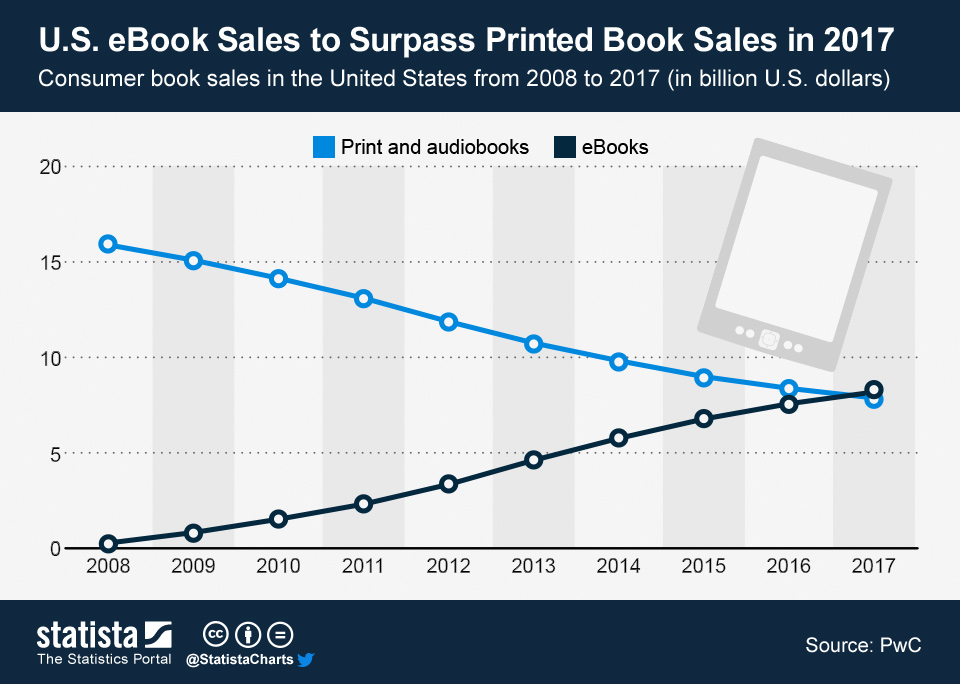





 Annette Hamilton - Writer