WHY PUBLISH? THE DASH AND DOLLY EFFECT.

I have reached a point in my writing and publishing activities where I must seriously ask: why publish at all? I haven’t published much yet but I have a lot of plans and proposals in the mix and several are at the point of fulfilment. Various things have held me up – some in the “real world” but others in that weird interior zone where the writer actually feels most alive but also most threatened and alarmed and fearful and excited, something which I suspect only other similarly benighted souls will understand. There really should be psychiatric services for writers, to help them work out what they are doing and why.

But as time passes, and especially with the impact of AI, the question becomes more acute than ever. There are 32.8 million published titles on Amazon now and more every day. It is possible that AI written books are flooding the market, although there seems to be no way to work out if this is true or not. Amazon now will only allow you to publish something like THREE BOOKS A DAY. Can this be true? Nobody can write three books a day. However the various online writers forums I participate in do seem to have members who think nothing of writing a book in two or three or four weeks: that is from start to finish, including editing, proofreading and maybe designing the covers as well. The fans of these writers are passionate and apparently faithful. They expect the writer’s new books ASAP and pre-order slavishly, or so it seems.

THE DASH AND DOLLY EFFECT

I just finished watching a mystery drama mini-series on Netflix, The Perfect Couple, starring Nicole Kidman as a popular writer, Greer Garrison Winbury, whose books are about the endless romance of Dash and Dolly. The readers imagine these are the writer herself and her husband Tag, played by Liev Schreiber, who in real life is alcoholic, louche, unfaithful and most unattractive. Based on a 2018 novel of the same name by Elin Hildebrand, the story is about the interpenetration of fictional and real life, and its negotiation in contemporary culture. [It’s what my favourite analytic writer of the moment, Hans-Joachim Maaz calls “Die Falsche Leben” – FALSE LIFE. If you speak German there are interviews with him on Youtube: https://www.youtube.com/watch?v=KN6i6MYBbjI but only one of his books has been published in English.]

A brilliantly disturbing scene takes place at the launch of Greer’s 32nd novel in the series, when the “real world” life of Dash and Dolly comes to a crashing end in a bookstore full of passionate fans. As the truth of their relationship emerges – and a horrible truth it is – the fans fall into despair and horror, worse than anything they ever imagined. The scenario of this story emerges from the very peculiar intersection right now between writers and readers, amidst the technical possibilities of rapid production where fictions drawn out into endless series of almost identical stories, become the source of recognition and success for glamorous lady writers in particular, and sites of identity for readers obviously deprived of whatever it is they crave in the way of success, love, happiness and recognition. Readers’ identification with fictional characters is at the heart of this process.

WHY DON’T I WANT TO WRITE BOOKS ABOUT DASH AND DOLLY?

It’s called “writing to market” in online writing circles, and ever since I was first introduced to this term around a decade ago at a seminar at the Australian Society of Authors I have been wrestling with the concept from many angles. It’s the baked beans problem again. The fact is, I want to use the agency and freedom of independent publishing but I don’t want to “write to market”.

I know this raises almost terminal issues. What I write isn’t any of the popular genres which work so well on Amazon. I can’t even work out what genre I am writing in. Some is memoir, yes, and maybe some is literary fiction. most of my books will appeal mainly to “classic” readers, that is, women of a certain age who buy books in book-shops and go to literary events and festivals, but they don’t buy independently published print-on-demand books and they all hate Amazon. My “take” on things doesn’t quite fit the mould either. My perspectives are too diverse, the experiences I draw on are far from the “normal” life, let alone the “false” one which prevails today. I will put a Paypal button on these books for Australian/New Zealand readers who want paperback versions and see if that works for those who don’t or won’t buy through Amazon. The independent bookshops’ prices are absurd: my book Revolutionary Baby finished up costing those who ordered it from their favourite independent bookshop over $30.00, even though I know the cost of production in Australia is in the order of $7.00.

Should I bother going on and publishing the other three novels I have written? They are all set in the 1980s which now feels like a hundred centuries ago. The memoirs are set even earlier: 1960s, 1970s. But I guess that makes them historical. There is a special category for that on Amazon.

As for doing something completely different: I have written the first volume of a series which I plan to publish under a pen name. It is a post-apocalyptic narrative set in 2050 and “stars” two female characters, young women with distinctive talents and histories. It needs a final edit. I don’t plan to spend money on Amazon or Facebook ads.

All I can be sure of is that the books I have written will exist in print and/or electronic copies in a few libraries, and a few will receive them as gifts from me and maybe want to pass them on. Is that enough?

Why review? … and the Tentacle Romance.

Over the past several months – say, six or so – I have been reading an inordinate amount as I’ve been ramping up my production schedule. Not that I’ve met it, but I’ve been trying. Several almost complete works just waiting for that semi-final edit, two new stories from my Other Identity swirling around, and here I am in Paris struggling with what feels like a covid cough – oh, wait! Covid doesn’t exist any more … at least nobody tests for it and a whole plane load of coughing passengers on their way from Singapore (nobody masked) was just due to general unspecified viruses. Anyway when I finally called the brilliant SOS Medicins service – can you believe a doctor does a home visit at 11 at night after being called just an hour before ?- he didn’t express any interest in speculating about viral sources and was just very reassuring about cough mixture and the benefits of Paracetomol.

So, back to reading. As part of the effort to better define what ‘genre’ I am writing in, I have been gulping down all kinds of stuff. I joined Kindle Unlimited so I could read lots of books of completely unknown quality really quickly and send them back if I couldn’t stand them. And I did send back a lot. You can only have twelve out at one time. I was sending back two a day at one point. The contemporary writing and reading market is so peculiar. I discovered genres I could never have dreamt up. Well, maybe they are subgenres, whatever. Tentacle Aliens was pretty bizarre.

Their technical identity on Amazon is:
Tentacle Aliens and Monsters Erotic Short Stories

I really liked Rita Indiana’s book, although to be fair, it wasn’t a tentacle romance and it did not evolve within the Amazon ecosystem, being published as an actual book, ie a printed volume, by that excellent British publisher And Other Stories. Check them out!

Here’s what Rita’s blurb says: Plucked from her life on the streets of post-apocalyptic Santo Domingo, young maid Acilde Figueroa finds herself at the heart of a Santería prophecy: only she can travel back in time and save the ocean – and humanity – from disaster. But first she must become the man she always was – with the help of a sacred anemone. Tentacle is an electric novel with a big appetite and a brave vision, plunging headfirst into questions of climate change, technology, Yoruba ritual, queer politics, poverty, sex, colonialism and contemporary art. Bursting with punk energy and lyricism, it’s a restless, addictive trip: The Tempest meets the telenovela.

The real tentacle romances are a different kettle of fish, so to speak – slightly disguised erotic, but some weren’t bad.

I quite enjoyed

Nepenthe: A Tentacle Alien Space Fantasy (We Are Nepenthe Book 1)

by Octavia Hyde

I was cross that she had preempted my intended use of the name Nepenthe as a sub-division of Blackwing Press for experimental and off-the-wall writing. In the light of all this, I have cancelled Nepenthe Books as a concept altogether now. It seems far too tame, given what is out there already.
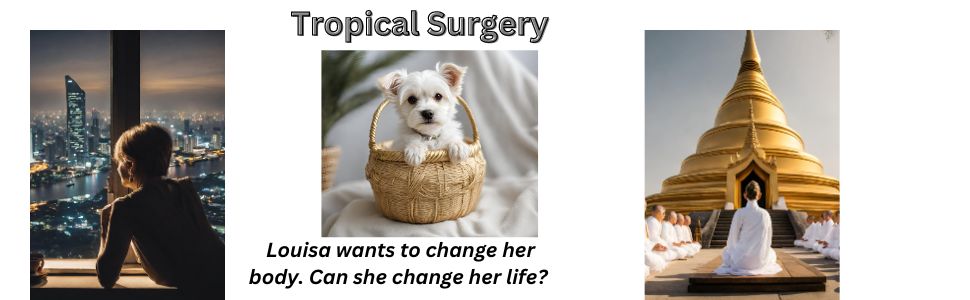
Moving on from Tentacles, I found that many male writers (at least persons writing under sturdy male-identified names) have been writing about catastrophic colonies on Mars or elsewhere in a decaying universe. Lots of (ditto) girl-sounding people are writing filth about billionaires and dom/sub desires, Mafia romances and Reverse Harem (that is when one woman has three or more men living/playing with her, some of them are bikies and some are cowboys, take your pick).

Paying special heed to post-apocalyptic themes I found a couple of (I think) young players writing not bad series. I downloaded a couple of Kyla Stone’s stories and followed on her blog-site and she was doing a very good marketing job. Sadly I just got completely bored with the stories which all seemed the same. Another was a New Zealand writer who seemed appealing when I watched her on one of the many talk programs run by one of the various online “how to be an author” groups, but I lost interest after realising that although she seemed like a very nice young lady, what she was writing was just too horrible for me.

So these are low-budget Kindle ebooks designed for the Amazon ecosystem. In most cases I didn’t have any compunction about returning the books with only a few pages read. (On Kindle Unlimited the author is paid according to how many pages are read). In a couple of others I could sense a good writer struggling to come out. One in particular was writtten by a Melbourne person (girl/woman self-presentation) and it was very well written and quite gripping in places although the key plot element was obvious from early on and in my view rather ridiculous. I finished it, and for a brief moment considered writing a proper actual review with real words – as against the silly five stars which now appear at the end of each Amazon ebook, uselessly as far as I can see – I never ever click them. But I hesitated. It’s a slippery slope.

Experiments in AI: A+ Content files for Revolutionary Baby on KDP: the Thumbnail Narrative.

Although I share the general anxiety in the publishing world about the impact of AI, I have to say experimenting with AI images has been rewarding. Amazon’s KDP allows authors/publishers to include quite expansive materials on their book pages. The question is, what to use as the basis for the content?

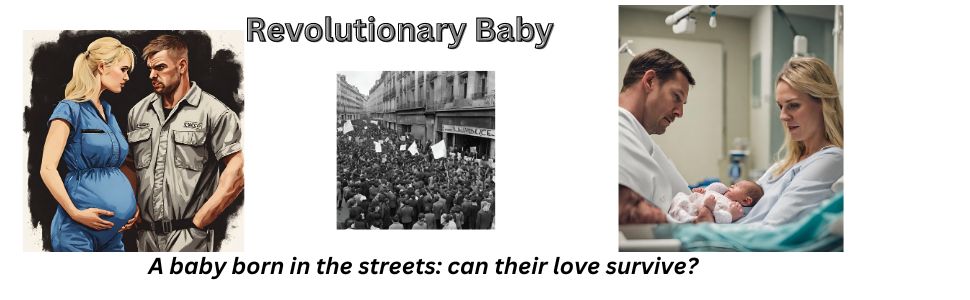
When the book is a collection of short stories, like Revolutionary Baby, this give an opportunity to give some visual clues as to what some of the stories are about. Brief text-based summaries on the back of the book amount to not much more tha a Table of Contents. In an experimental spirit, I spent a lot of time this week seeing what I could come up with to give some better visual presentation of the narratives. The A+ content also allows the creation of one kind of module with text to go with a set of images, so that is what I have submitted. Whether or not it is accepted is another matter.

Meawhile, here are the three examples I am hoping to use as the visual clues on the book page. They seem to have transferred well using the preferred pixel size recommended by KDP.

If it works out on the Amazon book page each image will have a brief text below it. I chose to paraphrase some of the actual writing from the stories. Some of it could be used verbatim but with condensation and re-expression it became a lot better. It called for a different kind of editing.

Now to find some other ways to circulate these thumbnail narratives.

On Writing Software and AI: is this what they meant by “creative writing?”

Most of my stories and books were begun before writing software even existed and certainly before it became ubiquitous. I don’t know how long programs like Grammarly and Scrivener have been around, because until recently it never occurred to me that I would ever want to use them. But in the past couple of years I became aware that almost everyone in the independent publishing world now regards writing software as part of their professional toolkit. Online forums, blogs, and writers’ groups take it for granted that everyone uses some program or other. Now suddenly AI has arrived and may soon make existing software programs irrelevant because “it” will write the books using algorithms, based on everything that has been published so far.

Before AI was on the horizon I couldn’t help wondering if writing software would help me produce my many belated volumes more efficiently. I downloaded a couple of test programs and couldn’t believe how they worked and what was going on. Here was a new field of cultural commerce aimed at a the thousands of people who now want to be writers – ironically at a moment when reading is becoming a less and less popular activity. Self-publishing in the Amazon environment has resulted in literally millions of books now being available all competing for pitifully small returns to the authors who, unbelievably, often set zero price for their works. Writers even complain that Amazon won’t let them offer works “permafree” as if giving your books away is a good strategy for an effective writing career – but that’s another issue.

What is an author? I grew up thinking an author wrote their own books. The authors I was brought up on – Thomas Hardy, Joseph Conrad, D.H. Lawrence, Marcel Proust, Franz Kafka, Virginia Woolfe, Ernest Hemingway, John Steinbeck, E.M. Forster, Aldous Huxley, F. Scott Fitzgerald, Jack Kerouac, Simone de Beauvoir, to name a few – wrote their works in pen or pencil on paper or in notebooks and edited them several times over by hand before and after they were even typed. Just look at their manuscripts. At some time or other when book production became a major industry publishers began to insist on using editors, who were trained in the technicalities of writing. Editors had a big role in getting a new book to the market. I don’t know what an editor did or might have done to Jack Kerouac’s original manuscript.

Kerouac”s On The Road manuscript is a 120-foot long scroll consisting ofa series of single-spaced typed twelve-foot long rolls of paper that have been scotched taped together. Kerouac found this method more conducive to his style of writing.

Now independent writers are told that they must work with an editor, or editors, through three or four phases of preparing their book for the chaotic world of self-publishing and pay the cost themselves. It seems generally accepted that editors reshape and often rewrite many of the most popular books published today. And this is without considering the role of ghost-writers. At least these characters are human beings.

Getting one’s book substantially rewritten or revised by an editor is a very expensive process. New authors may find themselves paying hundreds or even thousands of dollars before they push the “publish” button. But then along came writing software which promised to take the worst errors away, so the editorial costs would be reduced (although not eliminated).

Writing software works by submitting writing to a standardized matrix which prescribes a limited approach to sentence construction, grammar and expression. When you actually use the software and find out what alternatives and options are being offered you realise how limited the results will inevitably be. I discovered that writing programs such as Word now have semi-editing functions within their own software which encourages authors to corrects spelling and applies rules which puts commas in, or deletes them, according to some arcane formula developed somewhere in “creative writing” schools presumably.

I am unable to compare different forms of writing software because I stopped trying to use them almost immediately (although I do use the checker functions on Word which has its uses). The mass-production of contemporary writing is going on apace with endless reproduction of the same structures, story arcs, sentence design, and impoverishment of vocabularies. Presumably all these books are being scanned and turned into AI programs so that even more similar books can be produced, this time without authors, or rather, with hallucinated authorial names standing in for pure machine algorithms.

I have long been wondering whether there will be a place in future for books certified to have been written by authors who are actual human beings and edited likewise. At the same time, though, there are powerful currents now swirling around the cultural zones which have no respect for books and writing at all.

Kanye West has revealed that he feels an aversion to literature, comparing books to Brussels sprouts and explaining that he sees evolved forms of communication as crucial to his vision of an optimised future.

The revelation came in a new episode of the podcast Alo Mind Full, where the rapper joined Alo Yoga co-founder Danny Harris and host Alyson Wilson to “paint a sonic picture of what’s on his mind”. ‘

The replacement of books and writing by visual and graphic communication brings us back to ancient societies using images and pictograms, or not bothering to record things at all other than in poetry and song. Which might not be such a bad thing!

Trad and Indie: So what’s different in 2020?

The new technologies of communication were supposed to open the literary landscape to everything and make all things possible, but instead the world of writing/reading has been sinking ever deeper into a bog or maybe it’s a quicksand. There needs to be a new way of reading and writing, assuming there is still time in this bizarre and quite possibly doomed century.

Not so long ago I assumed that soon writers and readers would be able to meet each other wherever they chose, around whatever books they preferred. Independent publishing seemed to open up the possibility that everyone could be an author and every reader could find a book (and author) they liked and could afford. Books would become easy and fast to produce. Gatekeepers and cultural brokers from identical backgrounds would no longer determine what was published. To some extent a bit of this vision has come true, but far less than what might have been. The infinite potential of the new technologies has been squandered and a new two-tier publishing world has emerged.

The two publishing worlds have accommodated one another. The Trad Pubs have happily regrouped and concentrated themselves into mega-corporate enterprises, swallowing up small publishers like sardines, cramming writing once again into little boxes marked by gatekeepers ever more vigilant and responsive to the needs of their local ecosystem with its critics, fashions and fame.  The so-called “Indies” are dominated by rules and expectations in part set by the publishing industry itself, requiring ever-greater expenditure on processes which independent authors once expected to do themselves.

Many books are no longer even written by their authors. Professional writers do what used to be called “the writing”. Editors do the rest. The degree of uniformity is astonishing. Sentences have shrunk to the minimum. Subordinate clauses have gone to the woodshed. The semi-colon and colon have largely been outlawed. Nobody would ever publish footnotes in a fictional book, or include photos unrelated to the text. In most cases there are hardly any photos at all, even in autobiographies and biographies. Copyright law makes sure song lyrics or poems by someone else cannot be included in a book. Content editors make sure the text conforms to specific “arcs”. Everyone expects three acts and a “hero” protagonist. Writers who still want to author their own books are enjoined to go to courses and learn to write so every book in each genre is as far as possible the same as every other one, apart from title and author name. Cover art, even font-styles, converge around genre expectations.

In Trad Pub the global space is once again divided up into “territories” defined by nation-states. What should have been a free flow of ideas and exchanges across an open planet has fallen into a morass of dot com suffixes with financial consequences attached. Trad Pub still pretends to be terrified of Indie, but it shouldn’t be, because Indie has been more and more mimicking Trad Pub and Trad Pub is making good profits from selling in the online market. Court cases secured publishers’ rights to set absurdly high prices for ebooks while Indie writers continue to destroy their own viability by setting lower and lower prices and indeed give a lot of their writing away for free.

Trad Pub retains the aura of superiority in cultural value. Literary writing conforms to certain expectations about ideology and positioning. Certain themes are “big”, especially if they are to do with those who are ‘Other’ to the publishing enterprise itself. It is sustained by hordes of English majors and over-educated humanities people willing to work for miniscule wages for the privilege of serving the interests of these grossly inflated transnational companies. Some books are mired in complex moral issues, most recently the question of cultural appropriation, when mostly white members of the cultural majority try to write about the experiences of the “less fortunate”. But in truth most of these books, whether worthy or unworthy, are being supported by the publication of one or two or three blockbusters every year from famous authors. If the books can be sold into movie markets or developed for long-form TV series then their success is assured via the feedback loop between viewing and reading.

In the Indie world, genre is King, Queen, Bishop, Knight and Deity. Editors, cover-designers, blurbists  and the rest ensure that writers conform to the genre. If you write one book in that genre then woe betide you it you don’t write a series of others, with matching title livery and often the same characters. This is popular mass-market writing, everyone agrees, and there is no room for literary fancies or trans-genre mucking around.  In Trad Pub they only want one book a year from their writers, if that, but in Indieland they want two, three, four or more one after the other. Mass production for a mass readership. Now readers don’t even want to read. The big thing is audiobooks so readers become listeners, mainly because the level of literacy in the general population has fallen so low.

Where is writing outside the norm? The most encouraging signs come from small local independent publishers who find all kinds of new (and old) writing worthy of publishing. It is fortunate that many writers can get back their rights to their own works from publishers who have gone out of business, or whose contracts were limited. The new publishing technologies mean these books, long unheard of and forgotten, can be republished and brought to new readers. But what about the countless writers who want to do something different but are being railroaded into the latest trends via K-Lytics and feel obliged to write shape-shifter romances featuring panthers, lions and mongoose (mongeese?) There needs to be a space where they can be published even if they aren’t going to score on the peculiar algorithms used by Amazon and the rest. Books used to appeal to small groups of readers. People didn’t expect to make $50,000 a year or more by writing pot-boilers, although now it seems to be a career path. But it’s all about money and ranking these days, whether Trad or Indie.

Meanwhile I am pushing onwards trying to find some path between the two even though I increasingly think it’s a truly thankless venture.

And so another year …

Yes, it has been a long time since I last wrote here. So much has happened. I have filled up three diaries already and it isn’t over yet. My first book of the memoirs project Regret Horizon seemed to disappear over the Regret Horizon and into the mists of past time. Where I thought this was a final volume, turns out there will need to be at least one more, to take us from the end of Regret Horizon to the actual genuine real end, and we know there will be one. It is one which I can foresee and expect but cannot know when it will arrive, or how it will turn out. Most estimate a few years, but anything can happen. I will write a post or two about this very strange experience when I can, next year probably. And maybe I’ll be writing the actual volume by then.

But here is the good news. I have finished revision of the two books of short stories, Keith has done the covers for the ebooks (still finalising the print books) and all going well they should be available in early November through Amazon in both print and Kindle versions, as well as other ebook retailers and in paperback through Ingram Spark. You can order from your local bookstore if you are in Australia and hopefully there will be a Paypal button on this site at least. Website orders for customers in Australia only.

And Regret Horizon is nearly finished too. I am going to have a special order made from a local printer on quality paper for signed orders and my own gifts and maybe the local independent bookstores will stock some as well. I had such a struggle knowing what to do about getting feedback from the people in it, but finally I decided to give up on that and let the cards fall where they may. Still thinking about the final cover, now it looks pretty boring next to Keith’s fabulous cover art for the short stories (below).

So I guess this is a kind of pre-launch announcement. Congratulations to me – but there is still a way to go before I can push the “publish” button.

Final cover images for Revolutionary Baby and Radiant Sands, September 2019.
Copyright Keith Draws/Annette Hamilton

Writing and Defamation

defamation suitsI haven’t posted for a while because I’ve been engaged in a horrible torture which I hadn’t at all expected. No, it’s not another medical procedure, it’s a legal issue, and it’s resulted in weeks of inability to move forward, more drastic editing, and the emergence of a totally new and unexpected project which I can say nothing at all about here, now or ever, well, for the forseeable future anyway.
I have to thank Karl Ove Knausgaard once again.

220px-Karl_Ove_Knausgård

Karl Ove Knausgaard 2011

I’ve said before how important his work has been to my thinking about my memoirs, but lo and behold, his amazing final book, appropriately titled The End, appeared at the exact moment that I finished the first round of edits of my first memoirs book. I thought I was long-winded, but this book is 1100 pages or so. I’ve only managed to read 250 so far and I am desperate to get on with it but because it’s only in print (no e-book format) and because it weighs so much I can’t read it in bed at night which is when I do most of my reading, so I have to read it sitting up in a well-lit room, a few pages at a time. It also has no chapters, breaks or internal subdivisions so if you lose your place it’s damned hard to find it again.

It was published in Norway/Europe in 2011/2012 but English speaking readers had to wait until now – SEVEN YEARS LATER – to read it.

This makes the whole experience very bizarre because he is writing in the present of what is now a long-ago life. A little research reveals that after The End was published he broke up with his wife Linda who has been or still is suffering from a mental illness, he sees his four children in Sweden for a week at a time and lives mainly in London with a new wife, where he is lionized and presumably now very wealthy. All of this is not just aimless gossip, it goes to the heart of what he reveals in Book Six about his entire writing project and where it leads him, how it makes him reconsider who he actually is and what it means to be a writer, and even though he doesn’t know that this will be the outcome while he is writing the words you are reading.

There is so much to say about the Knausgaard effect, about truth and recollection and representation and writing and publishing in the twenty-first century but the thing I have to thank him for is making me truly aware of what can happen when you write about living people using their real names. As is famously known, his Uncle Gunnar, who he thought loved and supported him, went ballistic when an early book in the series appeared. Uncle Gunnar threatened to take him, his publishers and his mother as well to court. It is still not clear to me whether the court case actually took place or only existed in his own imagination, or whether he responded by radically changing his text to meet Uncle Gunnar’s objections. In any case, it was a traumatic irruption of another person’s truth into his creative project which he continues to call a “novel” even though he never claims the people he writes about are fictional and there are no disclaimers at the front of his books.

I have spent weeks now looking into the legal situation of writers of memoirs. The outcome is very sobering. Although laws are different in different countries, there are many commonalities. People who are written about by name in a memoir can object to the publication of the work on various grounds, including the invasion of privacy. “Truth” is not necessarily a defence. Writers are told they should send pre-publication copies to everyone who appears significantly in the book and ask them to indicate in writing that they agree to appear in it. If they ask to be left out altogether, or have their names and identities changed, the author apparently needs to go along with that or face potential consequences. I have been looking at some  recent cases to see how the law has been applied. I understand now why so many apparently autobiographical writings are labeled “fiction” and have vigorous disclaimers at the front.

One of my motivating factors in writing my memoirs has always been to be as much aligned with “the Truth” as possible. Of course I know everyone’s truth is different, but it has seemed to me that writers have not just the right but the duty to avoid the constant hiding-away and dissimulation and self-indulgence which accompanies so much personal narrative.  I am amazed to discover that it’s more or less a legal requirement and my mother was right to say “If you can’t say something nice about someone don’t say anything at all”. Who knew?

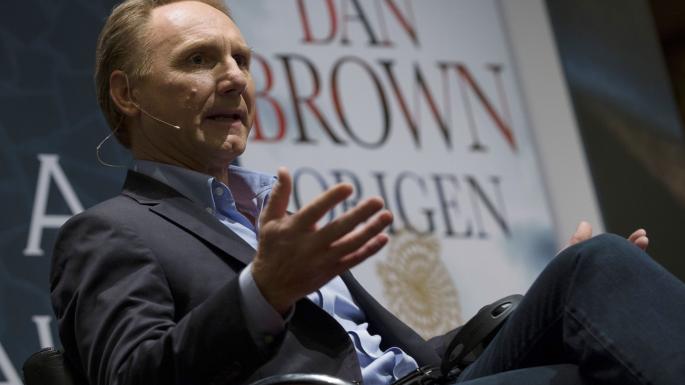
Then I found out that defamation suits are being brought against writers of  fiction. Dan Brown is famous for his world-wide best-seller The Da Vinci Code. In his latest book, Origin, he suggests that an Irish cult-monitoring group took money to fight a sect of the Catholic Church. His publisher is being sued. It’s a fascinating case, and also highlights that the mere fact of publication can result in a court case, even if the book was written somewhere else altogether by someone of another citizenship.

Dan Brown Defamation

https://www.thetimes.co.uk/article/anti-cult-group-sues-over-claims-in-da-vinci-code-author-s-book-08c3t9pnn

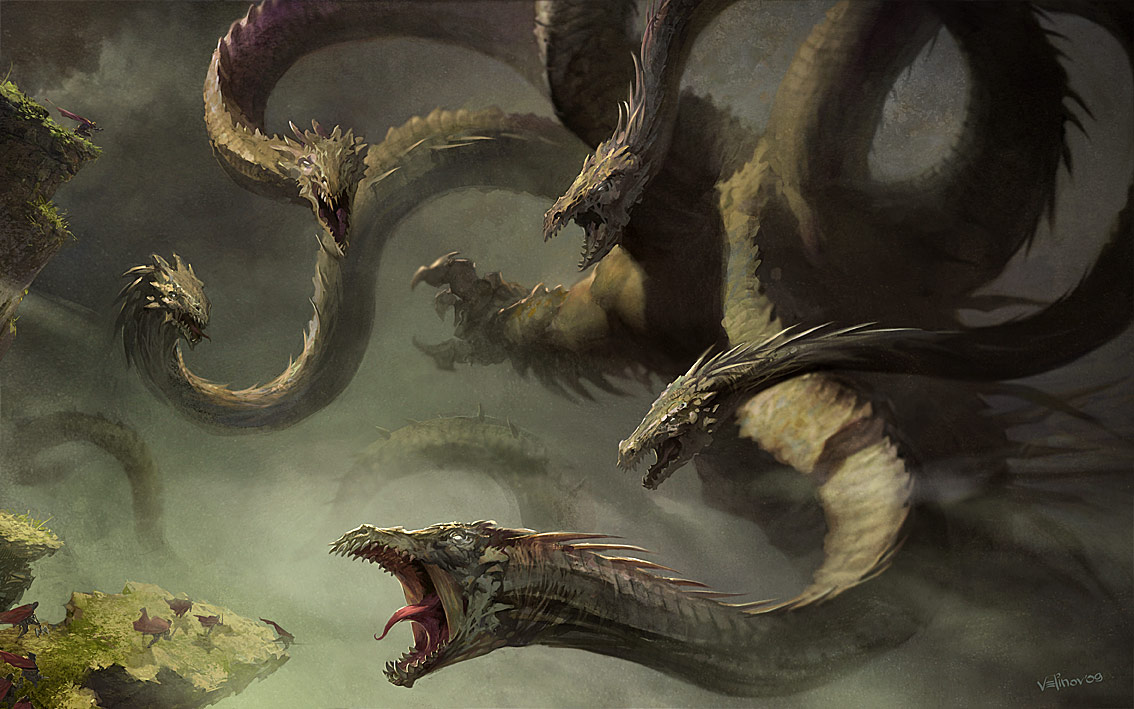
So what are you supposed to do? I guess the best thing is to write about life forms on interplanetary galaxies with no resemblance to humans. But I suppose your great-aunt could still take offence and claim that pus-dripping hydra-headed monster you wrote about was “really” her. As if copyright isn’t enough of a nightmare!

Hydra-mythical-creatures-28582631-1134-709

A two-speed economy: How traditional publishers are benefiting from Amazon.

I’ve mentioned before the way Amazon publication has entered new territory since the Big Five managed to get their own way about e-book pricing. It’s become increasingly apparent that conventional publishers have worked out how the maximise their gains from e-books and distributors, and while still bemoaning their existence have seized on the new opportunities now available.

There is no doubt that a traditional publishing deal remains the aim of most writers. Other than genre fiction of a certain kind (explicit erotica, shape-shifters, Space Opera romance and so on) every serious writer still wants a deal with a “real” publisher. But a lot of readers don’t want to buy physical books, and want to buy e-books online.

Now the traditional publishers have worked out that they can offer e-books at the same time as they publish print books, and preserve the powerful traditional ecosystem. By ensuring the price of the e-book version is not far from the print version (which may indeed be available in bookshops and will receive traditional marketing, recognition and publicity) they can make profits from e-books which are virtually cost-free since they only need to prepare the files once, there are no publication costs, distribution costs, warehousing costs or any other costs to speak of. The writers meanwhile have presumably signed contracts for the standard royalties, like 10% or whatever, and the publishers are pocketing the difference. And keeping the e-book costs high for the readers.

So a newly published book, like Liane Moriarty’s Nine Perfect Strangers (2018) is selling on Kindle for $14.99 and in paperback on Amazon.au for $16.00.  And Sydney-based author Shirley Barrett’s The Bus on Thursday (2018) – a most unusual read about a woman who has breast cancer by an author who learns that she does in fact have breast cancer after she has finished writing the book – is published by well-known Australian publisher Allen and Unwin on Kindle for $14.99 and in paperback at $22.99. I have no idea whether these authors have made special royalty deals with their publishers regarding the e-book version, maybe they have and good luck to them.

This process is pushing the distinction between self-published books and books from traditional publishers further and further apart, so most indie books on Kindle are $2.99 or even less and the trad pub books are now well above $10.00.  Do readers know, or care? Well, they probably don’t care about that, as such, but they DO get to hear about the books because the publishers have established methods of publicity which benefit the e-book sales in a way that the randomised chaos of Amazon Kindle at present cannot equal. So the traditional publisher sells lots and lots of e-books but makes the reader pay almost as much as they would for a paperback even though they don’t get to actually “own” the book, can’t lend it to anyone or do anything else with it. But somehow still think they are getting a good deal because it costs less than the paperback they saw in the store.

What a mess it has become. I wish some clever statistical analysis was going on right now to clarify what the effects of all this are. You can glean a bit from services like Alex Newton’s K-Lytics and Data Guy at the Author Earnings Report, but I haven’t found anyone who is tackling the divergent effects of the way traditional publishers are now using the e-book market to enhance their reach while re-consolidating their influence over publishing and pushing independent authors back down to where they think they belong. Is genuine independent publishing doomed? Does anyone know of any updates on this?

Opportunism and opportunity: on building a writing career

Only a bit over three months left of 2018 and the silly season is almost upon us. Everyone in Australia knows that the country shuts down in early November with the Melbourne Cup and doesn’t start up again until the end of January.

Melbourne_Cup_Finish,_Melbourne,_Vic._-_1905_(31511457514)

As I don’t go to the races, have no travel plans for the summer and don’t drink alcohol this annual idiocy-fest should not affect me. But I am filled with fear and trepidation because I have so many writing projects which were going to be released “by the end of the year”. Score so far: NIL.

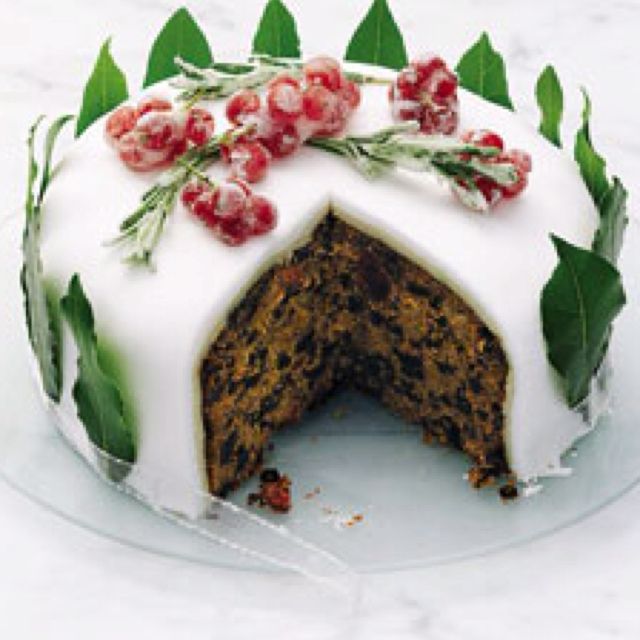
It’s not as if I haven’t written them. Almost all have been through several edits, I have a production method in hand, cover artists lined up … one final edit each, I say to myself, and they will be ready to go. I so much want to do this, because there are new writing projects I want to start. Sure, there are lots of things that get in the way of finishing books, ordinary life stuff. That’s bad enough. But now I am suffering a crisis of confidence. Maybe I should just embrace the silly season and forget about writing altogether, apart from dumb “Season’s Greeting” cards. Or I should take a leaf out of my own (unpublished) cook book and get going on the cakes and puddings. At least I could sell them at a cake stall!

christmascakes

A few short years ago  independent publishing seemed so clearly the way to go. But it seems more and more difficult to get any purchase at all with the reading (buying) public without a huge effort in marketing strategy and general non-writing activity. Writing itself takes second place. I need to get serious, not about writing, but about the “writing career”.

Everyone says you have to do it, and lots of people tell you how. Using the Internet strategically is obviously top of the list these days. Don’t get me wrong, I love the Internet and have done ever since it debuted back in prehistory, well, the early 90s or whenever it was. I love my blogs, both the writing and art sites, it feels truly creative putting them together, but I do that because I love it, not to build a following or expand an email list. I am a member of the Alliance of Independent Authors and they put out some great stuff. but tweeting is troppo mucho and Facebook gives me a kind of hysterical indigestion, yes, I know, I shouldn’t have subscribed to those I-Love-Cats sites but there was a reason for that, believe it or not, although I won’t go into it here.

writing books is like military strategy

No, the real problem is I can’t wholly see myself as someone “building a writing career”. I am a writer, I love to write, writing is what I do. If I have any time at all, like those precious two or so hours before the world wakes up in the morning, I want to spend it writing or editing or thinking about better turns of phrases for titles or thinking about how to improve a story or how to introduce some new themes. I don’t want to spend it building my email list or tweeting or whatever. It’s bad enough that I have had to go through so much time just working out how to produce a workable manuscript which will go through the publication process smoothly, and identifying useful information sites to follow. But now I see I have to see I have to Put Myself Out There as well.

This morning I came across an article by Wendy Jones called How Being an Opportunist Helps Build Your Writing Career (republished 5 September 2018) here.

This article really made me realise that I just didn’t have the right frame of mind to be a successful Independent Author. Just not opportunistic enough. Read it and weep!

On the other hand maybe I should go to the Melbourne Cup and hand out leaflets urging punters to buy my books! Now that’s an opportunity.

Melbourne_cup_1881


Is there really a future for independent publishing in Australia?

Ever get the feeling that independent publishing, which promised so much, is heading down the vortex, especially for Australian authors? When it all started rolling it seemed like writers would be able to reach readers without all the intermediaries deciding who and what would be allowed through the hallowed gates of author-dom.

selfpub diagram wikiIt looked as if new technology would link writers and readers all over the world and open up the artificial geographic zones which for half a century had been creating unnecessary boundaries around the best new writing. Readers were forced to pay absurdly high prices in some areas, including Australia, to accommodate the outdated business model. You might have thought the response would have been to change the business model, but no, that didn’t happen, and now things seem to be in some kind of weird spiral.
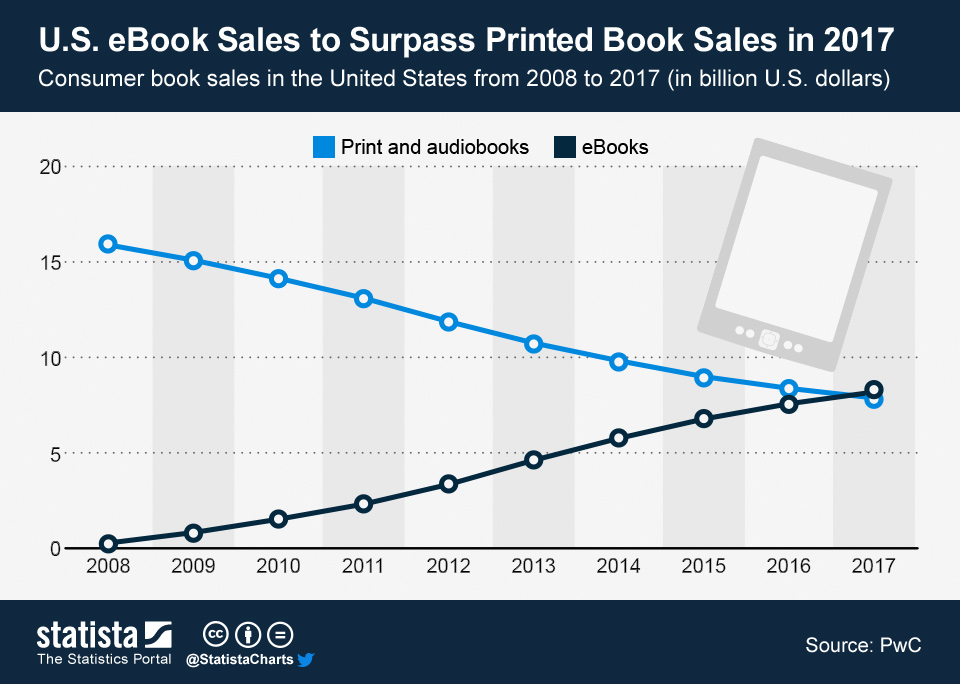
In the US E-books are still selling, and selling well. In number they far outweigh trad pub titles, and just recently they have superseded print books in dollar value. Of course many of these sales are for traditionally published books from established publishers, who bring out an e-book edition along with their print editions. It is very hard to get accurate figures separating the different market components out.

US eBook_Sales_to_Surpass_Printed_Book_Sales_in_2017_n

When Indie publishing took hold, a network of new support mechanisms evolved to help authors bring their work to an eager public. Traditional publishers went on doing exactly as they had been doing (but added in e-book versions) and everyone else was free to try things out in all kinds of ways while Amazon  provided the all-important technological platform.

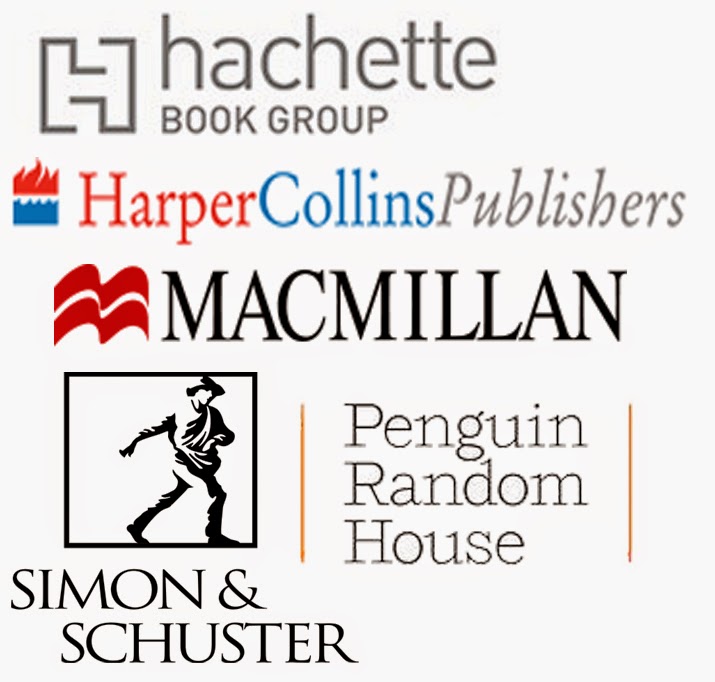
For a while Amazon set the prices of the e-books from the traditional publishers. But after a legal case spear-headed by global giant Hachette Amazon was forced to raise the prices of the e-book versions  so they did not  compete with print books: take a look at the price box next to the Big Five published book you want to buy on your Amazon site and you will see “The price was set by the publishers”. This has pushed e-book prices higher for “good” books from all the global players who have eaten up the smaller niche publishers at least in the English-language market.

BigFivePublishers

Meanwhile millions of other books are left wallowing about at the lowest possible end of the price scale in the hope that someone, anyone, will buy a copy. The unregulated indie market has turned out to be a ghastly place full of bad writing, creepy fantasies, idiotic space-nonsense, buff six-packs and bizarre arrays of erotica. There are many notable exceptions, of course, but anyone who takes a close look at what is going on in the Amazon indie market better not be a serious reader who thinks books have something to do with improving society and culture.

In Australia, the e-book revolution hardy took hold although Australians are known as early adopters of new technologies. Try asking around among friends and workmates and see how many actually have and use a Kindle. The answer, if you are an indie author, is super-depressing. It seems everyone longs for the olden days.

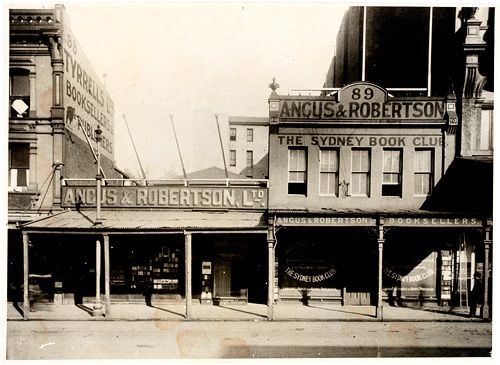
old Angus and Robertson

But there’s more to it than persistent nostalgia. It’s not just that people like going to physical bookshops, or buying physical books (often as presents for others), it’s that the guardians of Australian culture mounted an incredibly successful campaign against Amazon among booklovers. They were readily convinced that anything coming out of a corporate US giant like Amazon was automatically going to be a Bad Thing. This impression was shored up among the writers’ groups, in publishing circles, among academics and general literati, the local press, the network of book clubs and whatever other areas of public communication had anything at all to say about books and writing. Indie authors did not appear at Writer’s Festivals. Nobody mentioned them on the TV book shows (all now defunct); everybody interested in books and writing in Australia knew that good writing only appeared through a reputable publisher. The books by Australian authors hailed by the literati sold in modest to low numbers. Books written by Australian indie authors had to succeed in the US market, or not at all. There has never been an identifiable market for Australian independent authors in Australia.

Now things are even worse. Amazon won’t let Australians buy e-books – or any books for that matter – from it’s American site. This is supposedly because the Australian government didn’t like it that e-books were being bought by Australians who weren’t paying GST on them. Now the reader is forced back to the .au site, no option. Add the GST to the cost of the e-book and it looks a lot more expensive than when it was $2.99 on the US site. Previously, readers who wanted to order a print version could do so from the US site and pay horrendous postage. It seems that hardcover versions of Big Five published books are available through the Australian site, but still have to be sent at a high postage rate from the US. So guess what? You might as well buy a print copy of the book from your local bookshop, or by ordering online. Who needs Kindles and e-books after all? Somehow all this seems to have shored up the ultra-conservative elements in the Australian book world.

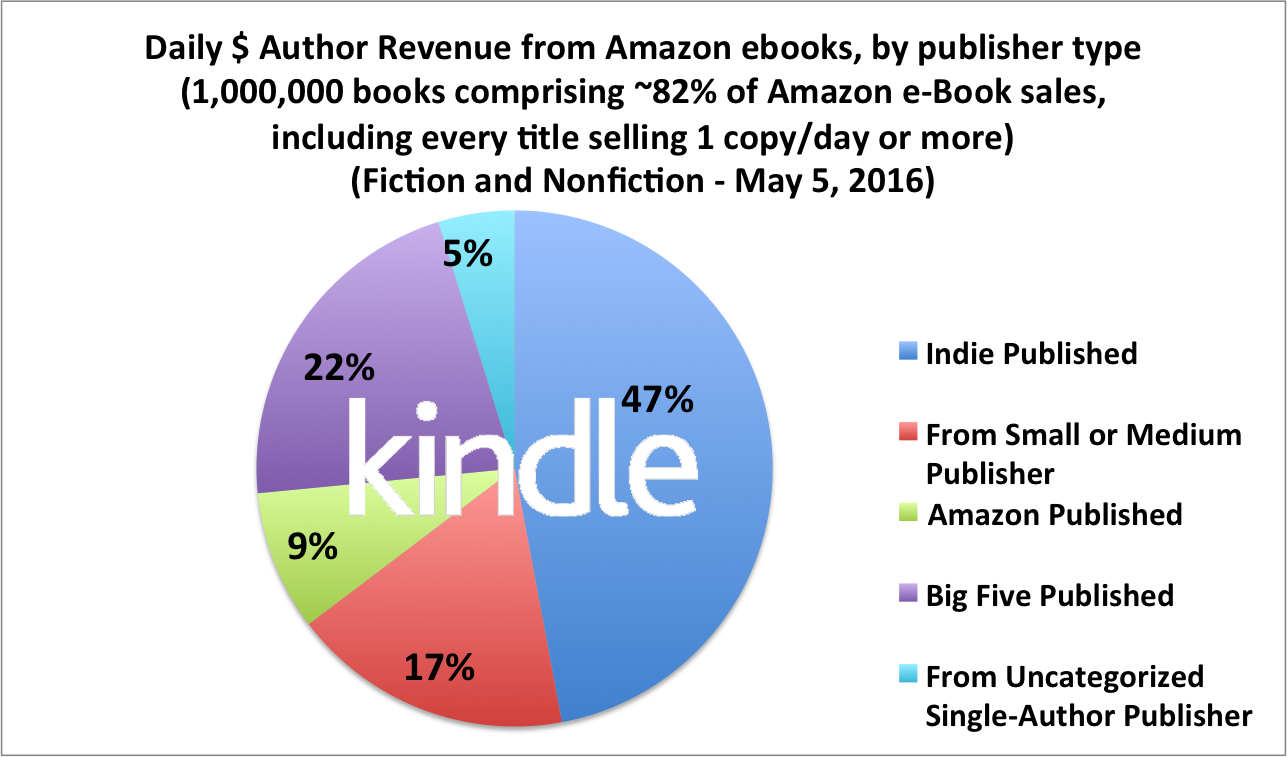
E-book author earnings are still very substantial, and when you consider that many authors identify themselves with a self-managed publishing imprint, the result is even more impressive. But of course this is happening in the US, not in Australia.

ebook-author-earnings-1m-201605

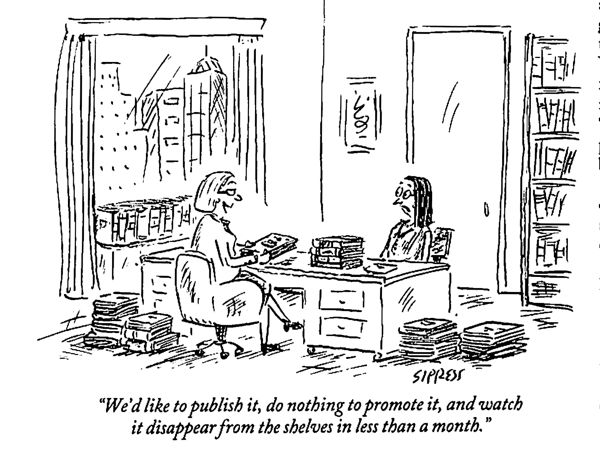
Australian authors often made print versions through CreateSpace and ordered fifty or a hundred or whatever copies to distribute themselves in Australia, sell through their own website or send out as freebies. Now CreateSpace has closed down and everyone is supposed to use KDP for their print books. But nobody, not even the author, can order print books from their US-based Amazon account, and Amazon is not going to be printing books in Australia anytime soon. You can’t even order a proof copy of your new e-book from KDP, apparently, because that would involve sending it at the US price. I believe this issue is currently being looked at by Amazon, but the bulk print copies will never be available again. So it’s back to the Australian traditional publishers.tradpub cartoon

Several correspondents have asked why authors don’t just have their own books printed locally, instead of worrying about the whole Amazon/e-book experience? Well, there are three good reasons. Firstly, local printers quote for a paperback version around two-three times the cost CreateSpace used to be able to supply them at, even with shipping from the US. They can look a lot better with much nicer paper but the price needs to be set very high if the bookseller gets the 40-50% discount they expect. The author may finish up getting even less than the miserable payout from a book priced at $2.99 on Amazon. Second, local bookshops are very reluctant to stock books from independent authors unless there is some local reason to do so – like a book about riding bicycles along back paths here in the Blue Mountains, which sells well from just two or three bookshops. The author supplies the copies personally when the bookshops run out. But if you are trying to sell more widely it means you have to keep stocks of your printed books somewhere – in your garage, or in your bedroom, or in a warehouse-type space, then you have to post or send or courier copies to whoever wants them, then pick them up again if they aren’t sold.

There is no simple answer, obviously.

BTW I  want to thank Anna Castleton for her recent comment (August 31st) which prompted me to write this post sooner rather than later. I also should mention that my e-books, such as they are to date, have been illustrated and cover-designed and the interiors formatted by a well-regarded professional (in Mexico, as it happens) and the colour shift problems  I had with my children’s book The Priceless Princess when print copies were made on Ingram Spark were the result of the Ingram Spark presses not “reading” the PDF files correctly.  Ingram Spark seems much more responsive these days and  is making a significant push into the space being vacated by Amazon. And it prints in Melbourne.  More on this in a later post.