[The first part of this post was published as part of the previous post: I have been thinking more about reviewing and republish it here as it prompted some more thoughts on this topic].
When Amazon Kindle was first a thing you had to buy the books you wanted to read and download them onto an early-generation e-reader, nothing else worked other than your actual computer. Take a look at one of the early Kindle versions here:
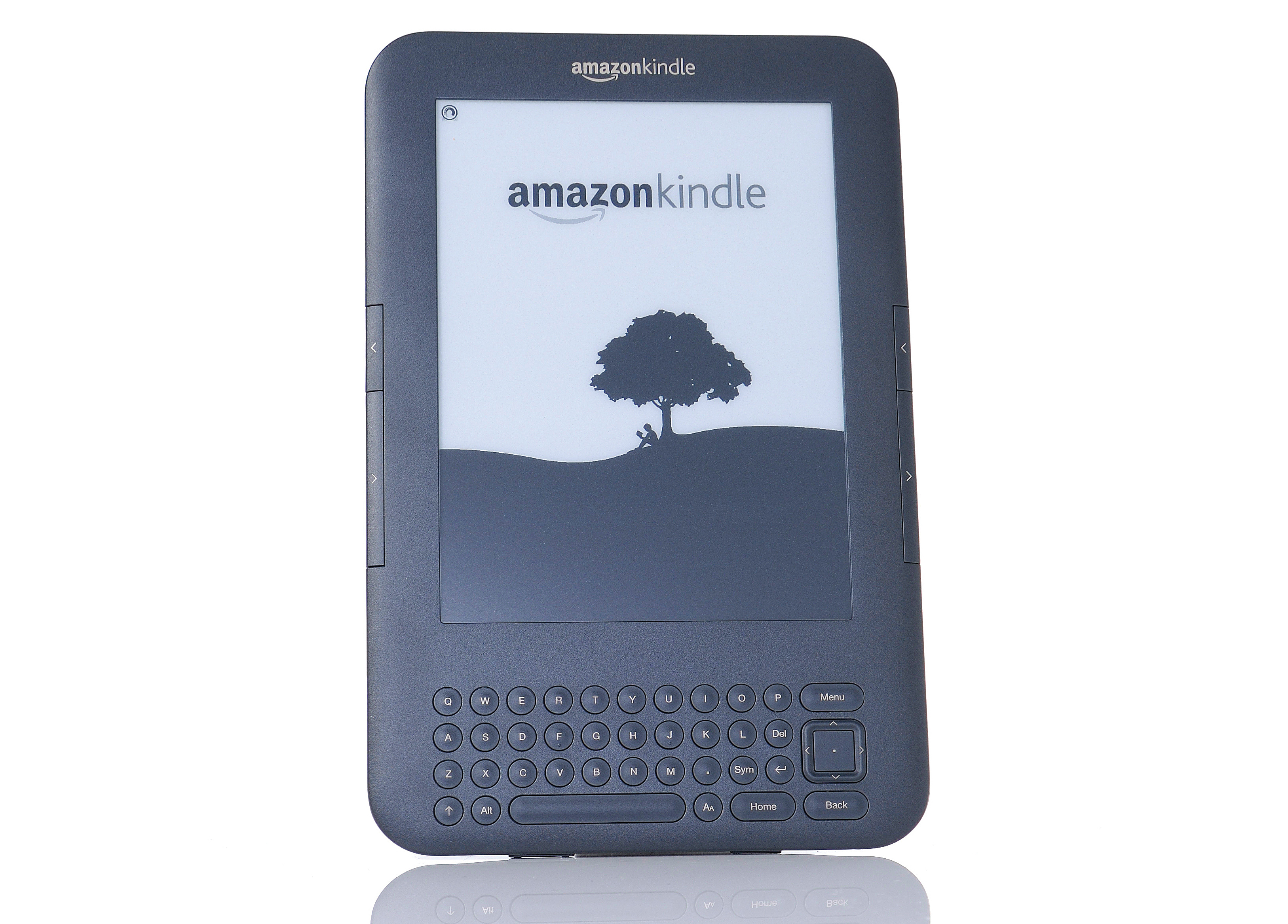
You couldn’t put them on your IPhone or on an I-Pad and there was no such thing as Kobo or Apple Books. This led me to feeling very enthused about reviewing. I love to read a well-crafted and considered review, and enjoyed the challenge of writing them myself. I knew an author’s success depended to a great extent on what the reviews said, and as a reader myself I read at least a good selection of reviews, both positive and negative. One’s reviewing name is not one’s own name, so there was some protection of identity when you didn’t like something. I felt it was a kind of community thing, to share views with others. I reviewed certain author’s books without fail. Then there was Goodreads, which at some point was taken over by Amazon, and that became overwhelming, so I stopped using it altogether, although they still send me emails all the time.
I don’t know when it dawned on me that the whole review process had become distorted and corrupt. Review-farming was a thing. Somehow authors could pay money – a lot of money, maybe hundreds of dollars – to have their books reviewed by a group of people who apparently got some reward for reviewing them, although I never knew how that worked, or how it met Amazon’s terms of service. The system became hyper-alert to reviews from anyone even vaguely connected to the author, relative, friend, Facebook contact, whatever and those reviews were banned. Other anonymous people however were free to say whatever they liked and post one star reviews because the book was delivered late, or was about something they hadn’t expected because obviously they hadn’t read the blurb.
Now I don’t review at all. I often feel I would like to comment on books I really like, or make suggestions to authors about something they could do to strengthen the work, or whatever. But I know now that the majority of successful Amazon authors are turning out books once every couple of months. Some are using ghost writers. Others treat writing as a kind of supermarket shelf-stocking – each book a basic product fitting a particular genre run through one or more editing programs to check for grammar and spelling, off to a human editor perhaps, covers designed strictly by genre convention which somehow everyone understands, and book is “launched” with money lavished on Amazon and/or Facebook ads and now Tik-Tok reels three times a day. Why bother reviewing? It is like reviewing cans of identical soup. And authors are devastated if the reviews they do get are not five-star.
This is clearly reflected in the command “Write to Market” which I will talk about in another post.
 Annette Hamilton - Writer